Comprehensive vs. Collision: Which Should You Drop First?

Comprehensive vs. Collision: Which One Should You Drop First?
The Direct Answer: For owners of older vehicles, Collision coverage is typically the first to be dropped, while Comprehensive is often worth keeping longer. This is because Collision premiums are significantly higher and only pay out if you are in a crash. Comprehensive coverage is much cheaper and protects against Florida-specific risks like hurricane damage, floods, and windshield cracks. A common financial rule of thumb is the "Rule of 10": if your annual premium for a coverage plus your deductible exceeds 10% of your car's actual cash value, it is likely time to drop it.
As your vehicle ages and depreciates, paying for "full coverage" can become a losing mathematical game. In the 2026 Florida insurance market, where premiums have seen steady increases, achieving financial visibility means knowing exactly when your insurance costs outweigh your potential payout.
Understanding the Difference: Collision vs. Comprehensive
To make a smart financial decision, you must first understand what each coverage actually does for you in the state of Florida.
- Collision Insurance: Pays for damage to your car resulting from a crash with another vehicle or an object (like a fence or tree), regardless of who is at fault. It is almost always the most expensive part of your "physical damage" premium.
- Comprehensive Insurance: Covers "Acts of God" and non-collision events. In Florida, this is vital as it covers theft, vandalism, fire, and—most importantly—flood and storm damage from hurricanes.
The "Rule of 10": When to Walk Away
In 2026, many experts suggest a simple calculation to determine if you are "over-insuring" an old car. If your car's market value (Actual Cash Value) is less than 10 times the annual cost of the coverage, the math likely doesn't work in your favor.
The Calculation:
- Determine your car's current value (via KBB or J.D. Power).
- Look at your declarations page for the specific cost of Collision.
- If the cost of the premium + your deductible is close to the car's total value, you are essentially paying for protection you can't fully use.
Example: If your car is worth $3,000 and your Collision premium is $500/year with a $500 deductible, you are paying $500 to potentially net only $2,000 if you total the car.
Why Collision is Usually Dropped First
Collision is almost always the first to go for several reasons:
- High Cost: In Florida, Collision premiums are high due to traffic density and accident rates.
- Alternative Recovery: If another driver hits you and they are at fault, their liability insurance pays for your repairs. You only need your own Collision coverage if you are at fault or if the other driver is uninsured.
- Limited Payout: Since cars depreciate quickly, the maximum payout for a Collision claim drops every single year while the premium often stays the same or increases.
Why You Should Keep Comprehensive Longer in Florida
While dropping Collision saves the most money, we often recommend keeping Comprehensive for as long as possible.
- Natural Disasters: Florida leads the nation in hurricane and flood risk. Comprehensive is the only coverage that protects your car from rising water or a falling palm tree.
- Windshield Replacement: Under Florida law, if you have Comprehensive coverage, your insurer must replace a damaged windshield with $0 deductible. This benefit alone often pays for the cost of the coverage.
- Low Premiums: Comprehensive is usually a fraction of the cost of Collision, making it a low-cost "safety net" for older cars.
When Should You NOT Drop Coverage?
Even if your car is older, there are specific scenarios where you should maintain full coverage:
- You Have a Loan or Lease: Lenders require both Comprehensive and Collision. You cannot drop them until the lien is satisfied.
- You Can't Afford a Replacement: If your car is worth $4,000 and losing it would mean you couldn't get to work, keeping the insurance acts as a "forced savings account" to help you buy your next vehicle.
- High Risk of Uninsured Drivers: Florida has a high rate of uninsured motorists. Without Collision, you have no way to fix your car if an uninsured driver hits you.
Why Working with an Independent Agency is the Best Strategy
At Walker Insurance Agency, we help you perform the "cost-benefit analysis" that online calculators miss. We provide the visibility you need to stop wasting money on over-insurance.
The Walker Advantage:
- Market Comparison: We check multiple 2026 Florida carriers to see who offers the best "Comprehensive-only" rates for older vehicles.
- Deductible Tuning: Sometimes, raising your deductible is a better move than dropping coverage entirely. We find that "sweet spot" for your budget.
- Expert Advice: We know the Stuart and Florida market. We’ll tell you exactly when the risk of a hurricane makes dropping Comprehensive a bad idea.
FAQ
1. Is it a good idea to drop collision and comprehensive on a 10-year-old car?
It depends on the value. If the car is a high-value model (like a diesel truck or luxury SUV), it may still be worth insuring. If it’s a standard sedan worth under $5,000, dropping Collision is usually a smart move.
2. Does Florida have a $0 deductible for windshields?
Yes, but only if you have Comprehensive coverage on your policy. If you drop Comprehensive, you will have to pay for any glass repairs out of pocket.
3. What happens if I drop collision and someone hits me?
If the other driver is at fault, you can file a claim against their insurance. If the other driver is uninsured or you are at fault, you will be responsible for 100% of your repair costs.
4. Can I drop just Collision and keep Comprehensive?
Yes. Most Florida insurers allow you to keep "Comp only" or "Comprehensive and Liability," which is a common strategy for older cars to save money while protecting against theft and storms.
Local Business Schema
Stop Overpaying for Insurance You Can't Use
If your car is more than 8 years old, you might be throwing away hundreds of dollars every year on unnecessary premiums. In Florida’s 2026 market, every dollar counts.
Get a professional coverage audit today. Contact Walker Insurance Agency to see if it’s time to drop Collision or Comprehensive. We provide the visibility to ensure you are only paying for the protection that actually makes financial sense.
[GET A FREE QUOTE TODAY]
Call us at +1-407-977-7100 or visit our office in Stuart, FL. Let’s optimize your policy for savings and safety.
Related Articles
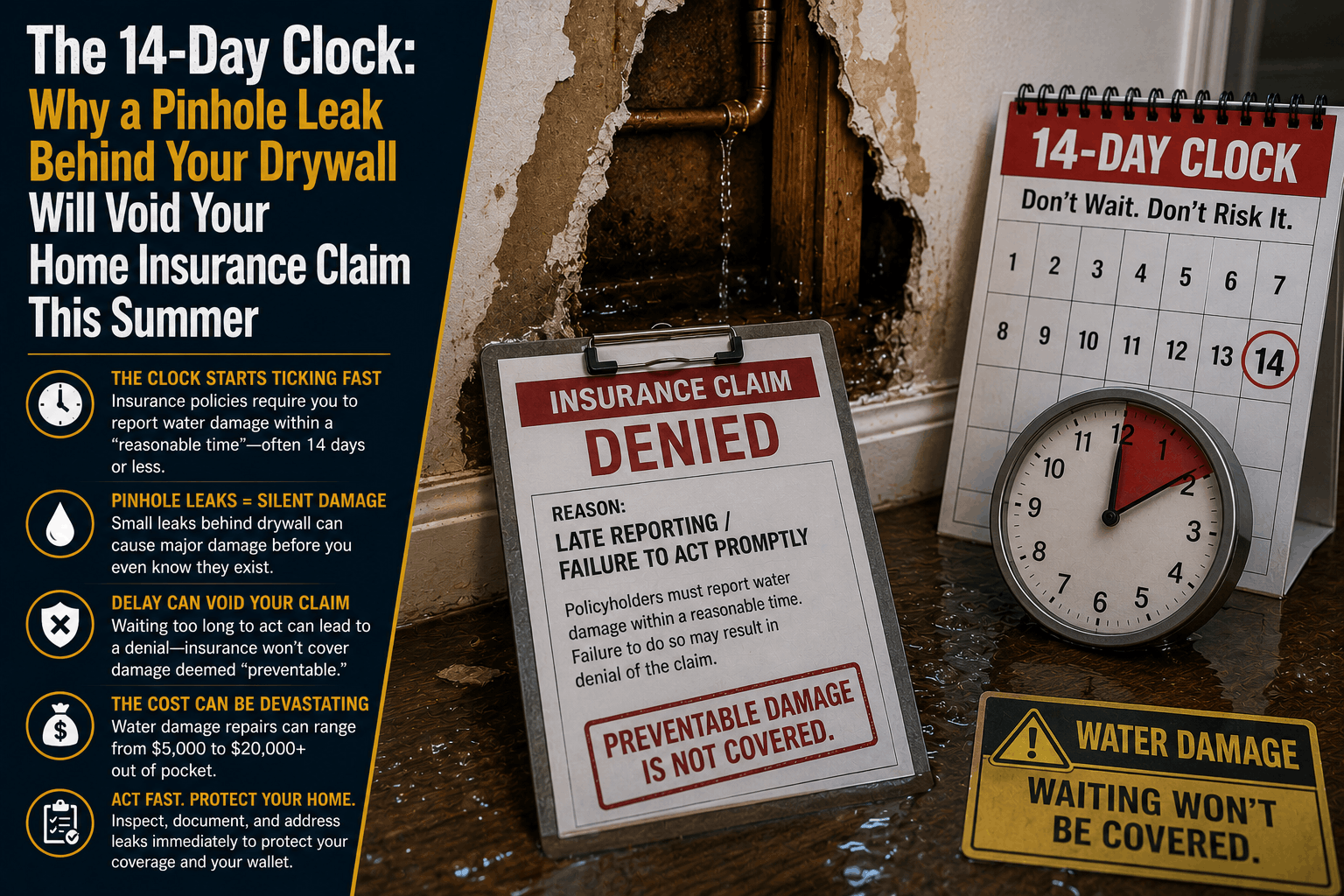
The 14-Day Clock: How a Pinhole Leak Voids Home Insurance
Discover how a tiny pinhole leak behind your drywall can completely void your summer home insurance claim under Florida's strict 14-day constant seepage rule.
Read More →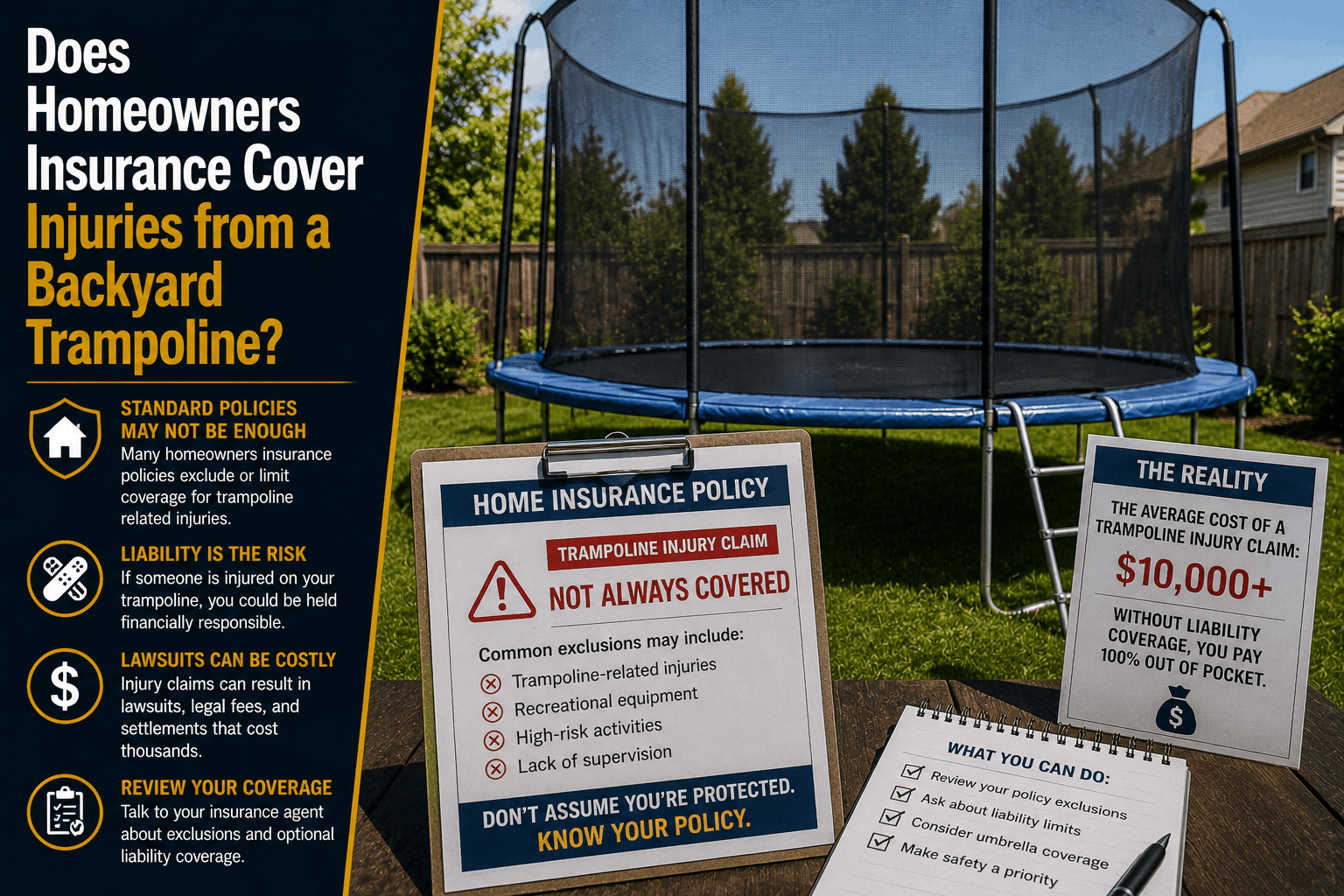
Does Homeowners Insurance Cover Trampoline Injuries? (2026 Rules)
Putting up a backyard trampoline? Discover how 2026 home insurance policies handle trampoline injuries and why the attractive nuisance rule can trigger a denial.
Read More →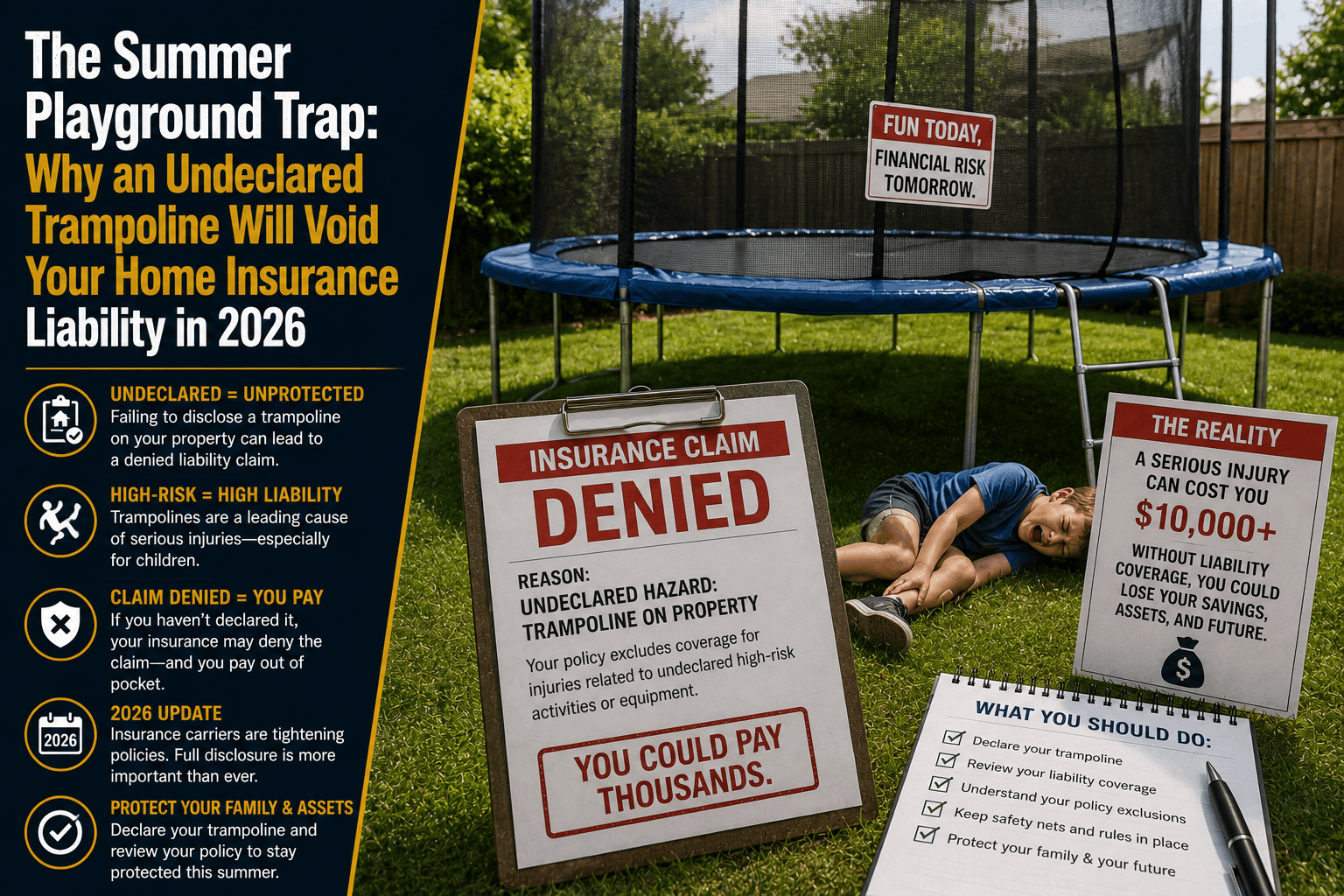
The Summer Playground Trap: How Undeclared Trampolines Void Insurance
Putting up a backyard trampoline this summer? Learn why failing to declare it to your homeowners insurance can lead to total liability claims denial in 2026.
Read More →