Understanding FEMA Risk Rating 2.0: Navigating Changes in Flood Insurance
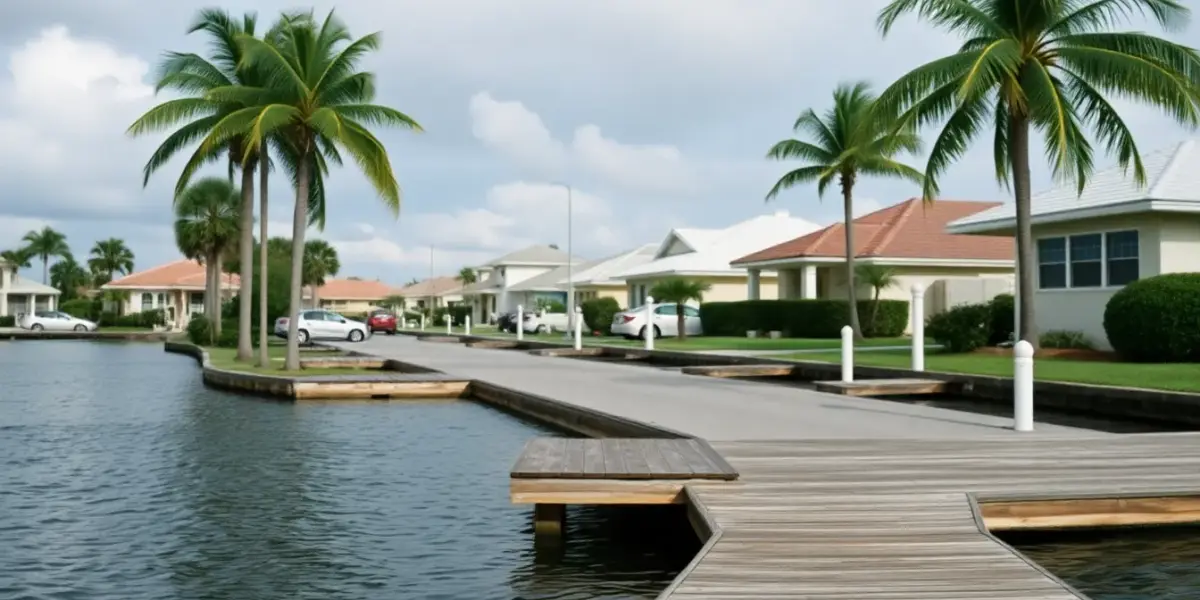
Understanding FEMA Risk Rating 2.0: Navigating Changes in Flood Insurance
FEMA's Risk Rating 2.0 is a major overhaul of the National Flood Insurance Program (NFIP) that aims to provide more equitable flood insurance rates based on individual property risk. This change has led to a lot of confusion among homeowners and property owners in Florida. In this blog post, we'll clarify what Risk Rating 2.0 means for your flood insurance and how you can adapt to these changes.
What is FEMA Risk Rating 2.0?
FEMA Risk Rating 2.0 is a new methodology for calculating flood insurance premiums that went into effect on October 1, 2021. This updated approach replaces the previous system that often resulted in outdated and generalized rates. Here’s how it works:
- Individual Risk Assessment: Risk Rating 2.0 takes into account specific factors that affect a property’s flood risk, including elevation, distance to water, and the type of flooding that could occur.
- More Accurate Premiums: Instead of relying solely on flood zones established by FEMA, Risk Rating 2.0 aims to set premiums based on each property's unique risk profile, making it fairer for homeowners.
- Inclusion of Additional Data: The new rating system uses advanced technology and data, including real-time flood risk models, to assess risks more accurately.
How Does Risk Rating 2.0 Affect Your Flood Insurance?
Changes in Premiums
One of the most significant impacts of Risk Rating 2.0 is the change in flood insurance premiums:
- Higher or Lower Premiums: Depending on your property’s risk profile, you may see your premiums increase or decrease. Some homeowners may benefit from lower rates, while others might face increases.
- Gradual Phase-in: Increases resulting from the new rating system are being phased in gradually to lessen the financial burden on policyholders.
Impact on Coverage
- More Comprehensive Coverage Options: Risk Rating 2.0 allows for better coverage options that reflect the true risk of flooding.
- Potential Gaps in Coverage: It’s essential to review your policy to ensure that your coverage meets your needs, especially if you experience a significant increase in premium costs.
Preparing for the Changes
Here are some practical steps you can take to navigate the changes brought by FEMA Risk Rating 2.0:
- Review Your Current Policy: Examine your existing flood insurance policy to understand your coverage and premium.
- Consult with an Insurance Agent: Speak with a licensed insurance agent to discuss how Risk Rating 2.0 may impact your specific situation and explore your options.
- Consider Flood Mitigation Strategies: Investing in flood mitigation measures, such as elevating your home or implementing drainage solutions, can help reduce your flood risk and potentially lower your premiums.
- Stay Informed: Keep up with updates from FEMA and your insurance provider regarding any changes in flood insurance policies and rates.
Conclusion
FEMA Risk Rating 2.0 represents a significant shift in how flood insurance is calculated, leading to confusion but also opportunities for homeowners to better understand their risk and coverage options. As a Florida resident, staying informed and proactive about your flood insurance is essential.
To ensure you’re adequately covered and to find the best rates available, reach out to us at Walker Insurance Agency. Our team is here to help you navigate these changes and secure the right flood insurance for your needs.
Related Articles

Understanding the Importance of Personal Liability Umbrella Insurance in Stuart, FL
In today's litigious society, having Personal Liability Umbrella Insurance is more important than ever. This blog post explores the significance of umbrella insurance for residents in Stuart, FL, detailing its benefits and how it can safeguard your financial future.
Read More →
Understanding RV Insurance: Is It Necessary for Florida Residents?
Are you considering hitting the open road in your RV? Understanding whether you need RV insurance in Florida is crucial. This guide provides insights into legal requirements, coverage options, and tips for Florida residents.
Read More →
Is Boat Insurance Required in Florida? What Every Owner Should Know
Are you a boat owner in Florida wondering if boat insurance is necessary? While it's not legally required, having coverage is highly recommended to protect your investment and ensure peace of mind. Let's explore the ins and outs of boat insurance in Florida.
Read More →