Understanding RV Insurance: Is It Necessary for Florida Residents?
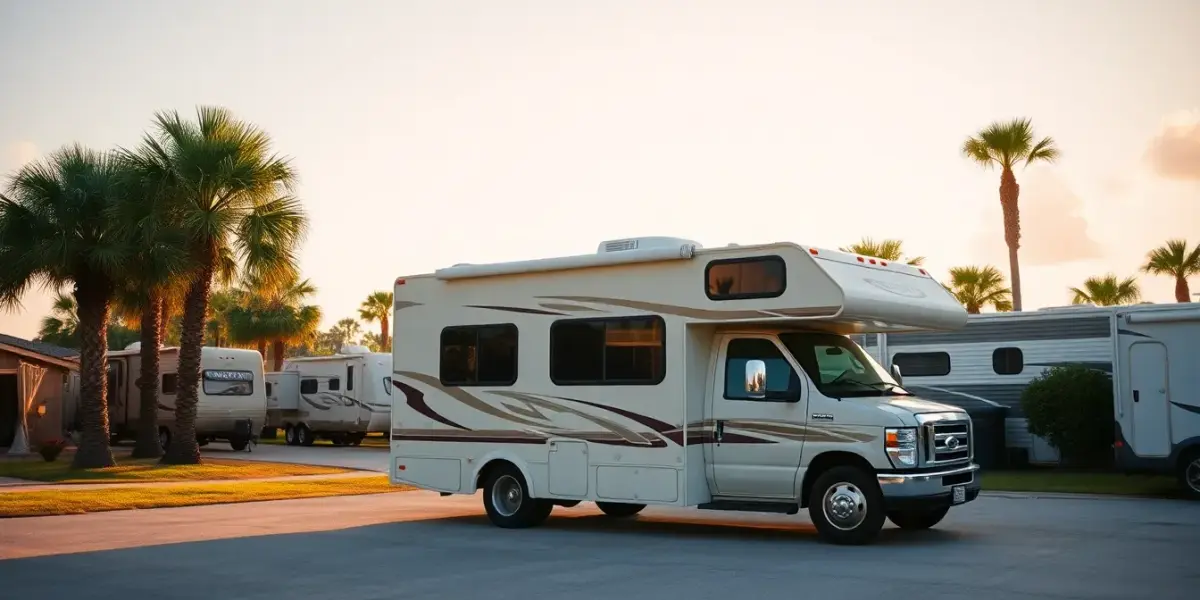
Understanding RV Insurance: Is It Necessary for Florida Residents?
As a Florida resident, owning an RV can open up a world of adventure and exploration. However, with that freedom comes the responsibility of ensuring you are adequately protected. This guide will help you understand the necessity of RV insurance in Florida, what it covers, and why it's a smart investment for your travels.
Why Consider RV Insurance?
While RV insurance is not legally required in Florida, it is highly recommended for several reasons:
- Liability Protection: Just like auto insurance, RV insurance can protect you from financial loss if you cause an accident that injures someone or damages property.
- Coverage for Your Investment: RVs can be a significant financial investment, and having insurance ensures you can recover from damages, theft, or accidents.
- Peace of Mind: Knowing you are covered can help you enjoy your travels without the stress of potential liabilities or unexpected expenses.
Types of RV Insurance Coverage
RV insurance can vary significantly in terms of coverage options. Here are the primary types you should consider:
-
Liability Coverage: This is essential as it covers bodily injury and property damage to others if you're at fault in an accident. Florida law requires minimum liability coverage for vehicles, and while RVs are not subject to the same strict laws, it's wise to carry adequate limits.
-
Collision Insurance: This covers damages to your RV resulting from a collision with another vehicle or object, regardless of fault.
-
Comprehensive Coverage: Protects against non-collision-related incidents such as theft, vandalism, or natural disasters like hurricanes, which can be a concern in Florida.
-
Personal Injury Protection (PIP): While not mandatory for RVs, PIP can be beneficial for medical expenses if you or your passengers are injured in an accident.
-
Uninsured/Underinsured Motorist Coverage: This protects you if you’re in an accident with a driver who has little or no insurance.
-
Full-Timer Coverage: If you live in your RV full-time, you may need specialized coverage that addresses more than just typical recreational use.
Factors Influencing RV Insurance Costs in Florida
Several factors can affect how much you pay for RV insurance:
- Type of RV: Motorhomes typically cost more to insure than travel trailers or fifth wheels.
- Usage: How often and how far you drive your RV can influence premiums.
- Storage: Where you park your RV when not in use can also impact your rates; secure storage may lower costs.
- Driving Record: A clean driving record can lead to lower premiums.
Tips for Choosing the Right RV Insurance
When selecting RV insurance, here are some practical tips:
- Compare Quotes: Different insurers offer varying rates and coverage options. Always shop around to find the best deal.
- Understand Your Needs: Assess how you plan to use your RV. Occasional trips may require different coverage than full-time living.
- Ask About Discounts: Many insurers offer discounts for bundling policies or for safe driving.
- Review Coverage Limits: Ensure that your coverage limits are adequate for your RV’s value and your personal liability needs.
Conclusion
While RV insurance may not be required by law in Florida, it is a wise investment that can save you from significant financial loss and provide peace of mind during your travels. At Walker Insurance Agency, we understand the unique needs of RV owners in Florida and can help you find the right coverage tailored to your lifestyle.
Ready to protect your RV adventures? Get a Quote today, or learn more about our RV Insurance services.
Stay safe on the road and enjoy all that Florida has to offer!
Related Articles
Do I Need RV Insurance in Florida? Key Considerations for Owners
If you're a Florida RV owner, understanding the necessity of RV insurance is crucial. This post delves into the legal requirements, benefits of coverage, and practical considerations for protecting your investment on the road.
Read More →
Is Boat Insurance Required in Florida? What Every Owner Should Know
Are you a boat owner in Florida wondering if you need insurance? While boat insurance is not legally required, it's highly recommended to protect your investment and ensure peace of mind. Learn more about the coverage options available to you.
Read More →
Understanding Car Insurance Rates in Stuart, FL: What Affects Your Premiums?
Are you curious about what affects car insurance rates in Stuart, FL? This guide breaks down key factors that can influence your premiums, helping you make informed choices when shopping for insurance. Discover actionable tips to save money while ensuring you have the right coverage.
Read More →