Full-Time RV Living Insurance in Florida: What Coverage Do You Need?
Introduction
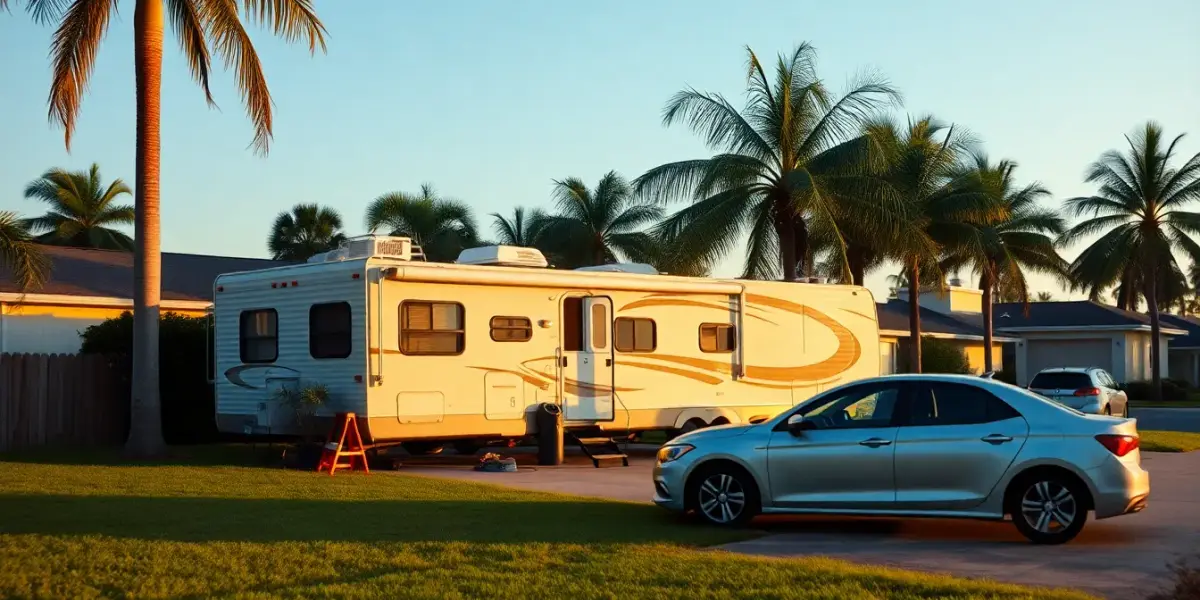
Living full-time in an RV has become an increasingly popular lifestyle choice among Floridians. Whether you're traveling the beautiful coastlines or enjoying the vibrant culture of our state, protecting your home on wheels is crucial. In this guide, we'll cover the insurance coverage you need to ensure your full-time RV living experience is safe and secure.
Understanding RV Insurance
RV insurance is specialized coverage designed to protect your recreational vehicle. It functions similarly to auto insurance but includes additional features specific to RVs. Here’s a quick overview of the main types of coverage you should consider:
1. Liability Coverage
This is the most essential type of coverage and is typically required by law. It protects you in case you cause injury to another person or damage their property while driving your RV. Recommended minimums vary, but consider:
- $100,000 bodily injury liability per person
- $300,000 bodily injury liability per accident
- $50,000 property damage liability
2. Comprehensive and Collision Coverage
These coverages protect your RV against physical damage.
- Comprehensive Coverage: This protects against non-collision-related incidents like theft, vandalism, or damage from natural disasters (e.g., hurricanes, which are a significant concern in Florida).
- Collision Coverage: This covers damages to your RV in the event of a collision, regardless of who is at fault.
3. Personal Property Coverage
When living full-time in your RV, personal belongings are at risk. This coverage protects your personal items inside the RV, such as electronics, clothing, and furniture.
4. Full-Timer’s Coverage
If you live in your RV full-time, you may want to consider full-timer's insurance. This type of policy combines elements of homeowners insurance and RV insurance, providing coverage for:
- Personal liability
- Medical payments
- Loss of use
5. Roadside Assistance
Roadside assistance can be a lifesaver when traveling. This coverage helps with towing, tire changes, and other emergency services if your RV breaks down on the road.
Additional Considerations
Hurricane Protection
Given Florida's hurricane season from June 1 to November 30, it's wise to ensure your RV insurance includes adequate hurricane protection.
- Review any specific hurricane deductibles in your policy.
- Consider storing your RV in a secure location during severe weather.
Uninsured/Underinsured Motorist Coverage
Although not mandatory, this coverage protects you if you're in an accident with a driver who has little or no insurance. It's recommended to consider this, especially in high-traffic areas.
Discounts and Savings
Many insurance providers offer discounts for RV owners. Here are some to consider:
- Bundling your RV insurance with other policies (like auto or home insurance)
- Completing RV safety courses
- Installing safety features like alarms or GPS tracking systems
Conclusion
Living full-time in your RV in Florida is an exciting adventure, but having the right insurance coverage is essential to protect your lifestyle. From liability and comprehensive coverage to personal property and roadside assistance, each type of coverage plays a vital role in safeguarding your mobile home. Don't forget to review your policy regularly to ensure it meets your current needs.
For personalized guidance and to explore your options, reach out to Walker Insurance Agency. We’re here to help you find the best RV insurance coverage tailored to your lifestyle.
Related Articles
Do I Need RV Insurance in Florida? Key Considerations for Owners
If you're a Florida RV owner, understanding the necessity of RV insurance is crucial. This post delves into the legal requirements, benefits of coverage, and practical considerations for protecting your investment on the road.
Read More →
Is Boat Insurance Required in Florida? What Every Owner Should Know
Are you a boat owner in Florida wondering if you need insurance? While boat insurance is not legally required, it's highly recommended to protect your investment and ensure peace of mind. Learn more about the coverage options available to you.
Read More →
Understanding Car Insurance Rates in Stuart, FL: What Affects Your Premiums?
Are you curious about what affects car insurance rates in Stuart, FL? This guide breaks down key factors that can influence your premiums, helping you make informed choices when shopping for insurance. Discover actionable tips to save money while ensuring you have the right coverage.
Read More →