Understanding FEMA Risk Rating 2.0: What It Means for Your Flood Insurance
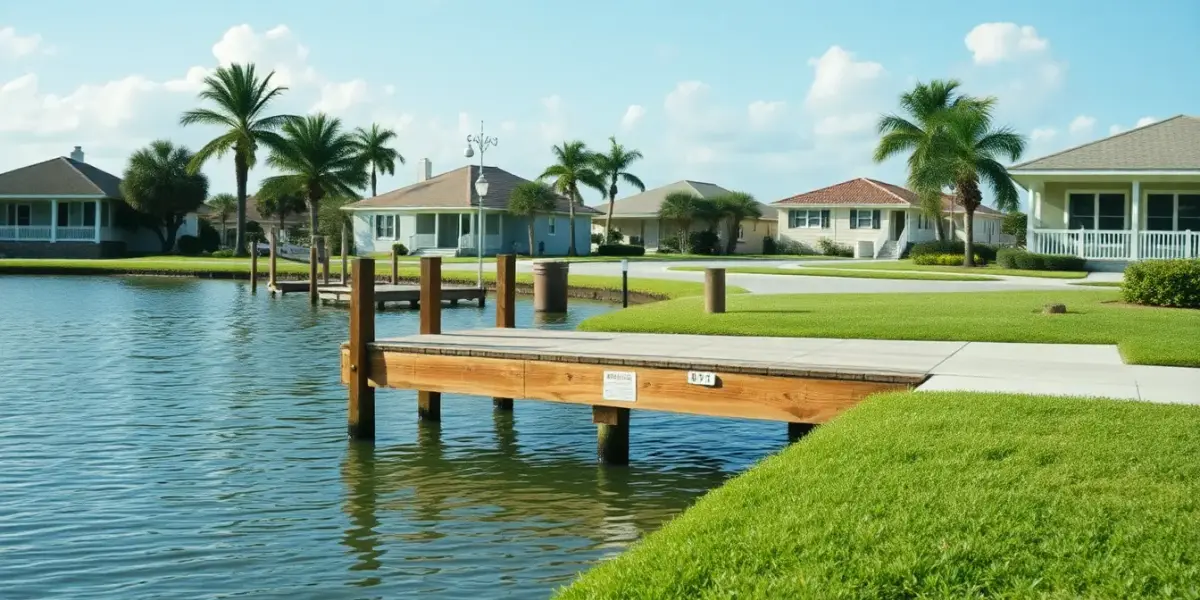
Understanding FEMA Risk Rating 2.0: What It Means for Your Flood Insurance
Introduction
FEMA’s Risk Rating 2.0 is a major policy change that has left many homeowners, especially in flood-prone areas like Florida, feeling confused about their flood insurance options. This new rating system aims to provide a more equitable approach to flood insurance premiums by considering multiple factors beyond just the flood zone designation. In this blog post, we’ll break down what Risk Rating 2.0 entails and how it could affect your flood insurance policy.
What is FEMA Risk Rating 2.0?
FEMA’s Risk Rating 2.0 is an updated methodology used to determine flood insurance premiums under the National Flood Insurance Program (NFIP). This new system took effect in October 2021 and represents a shift from the previous risk assessment methods.
Key Features of Risk Rating 2.0:
- Individual Property Risk Assessment: Instead of relying solely on flood zone designations, Risk Rating 2.0 evaluates individual property characteristics, such as elevation, distance to water, and the type of flood risk.
- More Accurate Premiums: The new calculation method aims to produce more accurate premiums based on the actual risk associated with each property, rather than using generalized zone-based rates.
- Increased Transparency: Policyholders can expect clearer explanations of how their premiums are determined and what factors contribute to changes in their rates.
How Does Risk Rating 2.0 Affect Your Flood Insurance?
The updates under Risk Rating 2.0 can significantly impact your flood insurance premiums and coverage. Here’s how:
Impact on Premiums
- Potential for Increased Costs: For some homeowners, particularly those in lower-risk areas who previously enjoyed subsidized rates, premiums may see an increase as the true risk is reflected in the pricing.
- Discounts for High-Risk Properties: Conversely, properties that have implemented flood mitigation measures or are located in areas identified as lower risk may benefit from lower premiums.
- Gradual Phase-In of Rates: FEMA has implemented a transition period to phase in premium changes gradually, so policyholders may not see immediate drastic increases.
Coverage Changes
- Updated Coverage Options: Risk Rating 2.0 may also lead to changes in available coverage options, with an emphasis on providing more tailored policies that reflect individual property risks.
- Revisiting Flood Insurance Needs: As your premium may change, it’s a good time to reassess your flood insurance needs and consider whether additional coverage or endorsements are necessary for your situation.
What Should You Do Next?
- Review Your Current Policy: Take a close look at your current flood insurance policy and understand how FEMA Risk Rating 2.0 might affect your premiums.
- Consult with an Insurance Agent: Speak with a licensed insurance agent who can help you navigate these changes and ensure you have the appropriate coverage for your needs.
- Consider Additional Coverage: Depending on your risk assessment, you may want to explore additional coverage options, such as private flood insurance, which can offer more flexibility.
- Stay Informed: Keep up with updates from FEMA and local authorities regarding flood risk assessments and insurance requirements.
Conclusion
FEMA Risk Rating 2.0 represents a significant shift in how flood insurance is assessed and priced, creating both opportunities and challenges for Florida residents. Understanding these changes is crucial in ensuring that you have appropriate coverage at a fair price. At Walker Insurance Agency, we’re here to help you navigate these complexities and find the best flood insurance options for your unique needs.
Ready to explore your flood insurance options? Get a Quote today, or learn more about our Flood Insurance services!
Related Articles
Do I Need RV Insurance in Florida? Key Considerations for Owners
If you're a Florida RV owner, understanding the necessity of RV insurance is crucial. This post delves into the legal requirements, benefits of coverage, and practical considerations for protecting your investment on the road.
Read More →
Is Boat Insurance Required in Florida? What Every Owner Should Know
Are you a boat owner in Florida wondering if you need insurance? While boat insurance is not legally required, it's highly recommended to protect your investment and ensure peace of mind. Learn more about the coverage options available to you.
Read More →
Understanding Car Insurance Rates in Stuart, FL: What Affects Your Premiums?
Are you curious about what affects car insurance rates in Stuart, FL? This guide breaks down key factors that can influence your premiums, helping you make informed choices when shopping for insurance. Discover actionable tips to save money while ensuring you have the right coverage.
Read More →