Essential Guide to RV Insurance in Florida: What You Need to Know
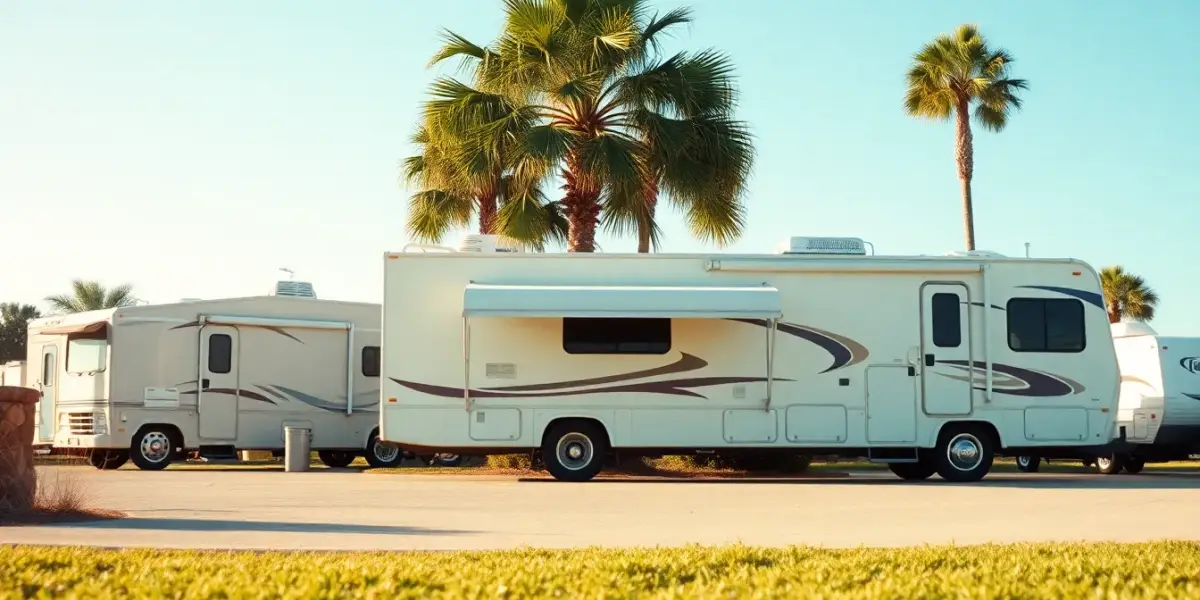
Understanding RV Insurance in Florida: Do You Really Need It?
When it comes to owning an RV in Florida, one of the most common questions is, "Do I need RV insurance?" While RV insurance is not legally required in the same way that auto insurance is, having coverage is essential for protecting yourself, your passengers, and your investment.
Why RV Insurance is Important
Owning an RV is a unique experience that offers the freedom to explore the beautiful landscapes of Florida. However, just like any vehicle, RVs are susceptible to accidents, theft, and damage from the elements. Here’s why securing RV insurance is crucial:
- Financial Protection: Accidents can lead to significant repair costs. Insurance helps cover these expenses, safeguarding your finances.
- Liability Coverage: If you're involved in an accident that causes injury or damage to others, liability insurance protects you from potentially devastating legal and medical expenses.
- Peace of Mind: Knowing you’re covered allows you to enjoy your RV adventures without worrying about unexpected costs.
What Does RV Insurance Cover?
RV insurance typically includes several key types of coverage:
- Liability Coverage: Covers bodily injury and property damage to others if you’re at fault in an accident.
- Collision Coverage: Pays for damage to your RV resulting from a collision with another vehicle or object.
- Comprehensive Coverage: Protects against damage from non-collision events such as theft, vandalism, or natural disasters (like hurricanes).
- Personal Property Coverage: Covers personal belongings inside your RV, such as electronics, clothing, and camping gear.
- Emergency Roadside Assistance: Offers help in case of breakdowns, flat tires, or other roadside emergencies.
Florida-Specific Considerations for RV Owners
When selecting RV insurance in Florida, keep these factors in mind:
- Hurricane Season: Florida’s hurricane season can lead to increased risks for RV owners. Ensure your comprehensive coverage includes protection against wind and flooding.
- State Parks and Campgrounds: If you plan to stay at state parks or campgrounds, check if they require proof of insurance.
- Full-Time vs. Part-Time Use: If you live in your RV full-time, you may need specialized coverage that considers your living situation.
Do You Really Need RV Insurance?
While RV insurance is not legally mandated, here are some scenarios where it’s highly advisable:
- Financed RV: If you’re financing your RV, your lender will likely require insurance.
- High-Value RV: For newer or luxury models, insurance protects your investment.
- Frequent Travelers: If you travel frequently or live in your RV, having insurance is crucial for peace of mind.
Conclusion: Protect Your Adventures with RV Insurance
In summary, while RV insurance isn’t legally required in Florida, it’s an essential safeguard for your peace of mind and financial security. At Walker Insurance Agency, we can help you navigate your options and find the best coverage suited to your needs. Don’t hit the road without the protection you deserve!
Get started today by requesting a free quote!
Tags
- florida-rv-insurance
- rv-coverage
- stuart-florida
- insurance-requirements
- rv-owners
Related Articles
Do I Need RV Insurance in Florida? Key Considerations for Owners
If you're a Florida RV owner, understanding the necessity of RV insurance is crucial. This post delves into the legal requirements, benefits of coverage, and practical considerations for protecting your investment on the road.
Read More →
Is Boat Insurance Required in Florida? What Every Owner Should Know
Are you a boat owner in Florida wondering if you need insurance? While boat insurance is not legally required, it's highly recommended to protect your investment and ensure peace of mind. Learn more about the coverage options available to you.
Read More →
Understanding Car Insurance Rates in Stuart, FL: What Affects Your Premiums?
Are you curious about what affects car insurance rates in Stuart, FL? This guide breaks down key factors that can influence your premiums, helping you make informed choices when shopping for insurance. Discover actionable tips to save money while ensuring you have the right coverage.
Read More →