A Deep Dive into Homeowners Insurance: What Florida Homeowners Should Know
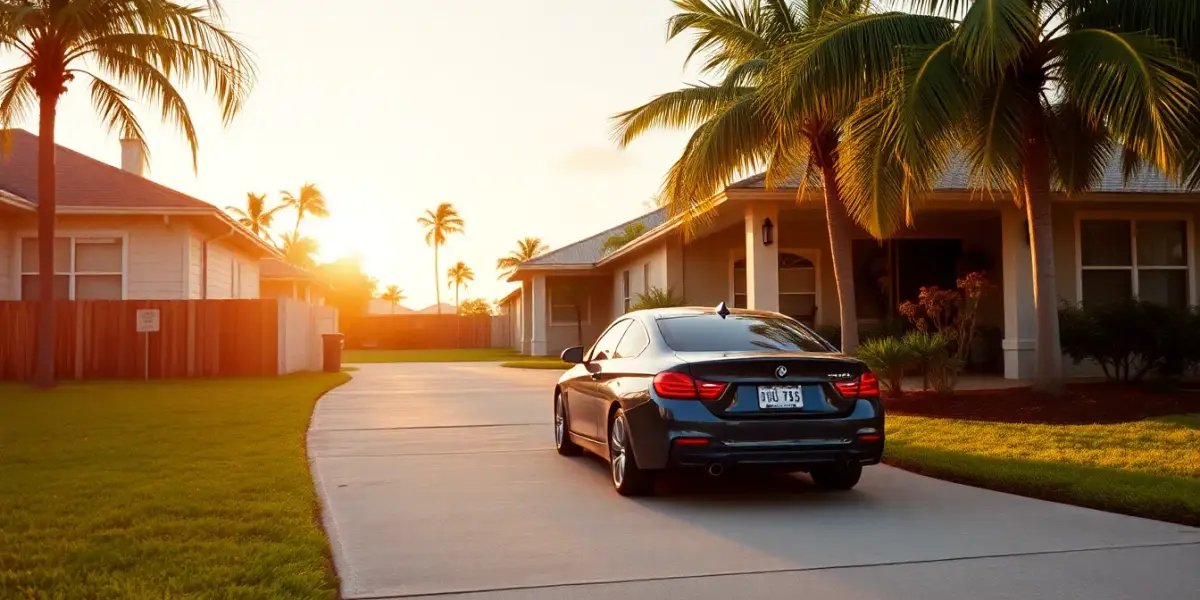
A Deep Dive into Homeowners Insurance: What Florida Homeowners Should Know
Homeowners insurance is an essential investment for anyone owning a property in Florida. Given the state's unique climate and natural disaster risks, understanding what this insurance covers can help protect your home and personal belongings effectively. In this post, we’ll explore the main components of homeowners insurance in Florida, what you can expect to be covered, and why speaking with a licensed agent at Walker Insurance Agency can help you tailor your policy to fit your needs.
Key Components of Homeowners Insurance
Homeowners insurance generally consists of several key components, each designed to protect different aspects of your property and liability. Here’s a breakdown of the main coverage types:
1. Dwelling Coverage
- Definition: This protects the structure of your home, including walls, roof, and built-in appliances.
- Importance: It covers repairs or rebuilding costs if your home is damaged by a covered peril, such as fire, theft, or vandalism.
2. Other Structures Coverage
- Definition: Covers structures not attached to your home, such as garages, sheds, and fences.
- Coverage Limit: Typically 10% of your dwelling coverage amount.
3. Personal Property Coverage
- Definition: This covers your personal belongings, such as furniture, electronics, and clothing, in the event of theft or damage.
- Replacement Cost vs. Actual Cash Value: You can choose between replacement cost (new for old) or actual cash value (market value at the time of loss).
4. Liability Coverage
- Definition: Protects you against lawsuits if someone is injured on your property or if you accidentally cause damage to someone else's property.
- Recommended Limit: A minimum of $100,000, but higher limits are often advisable to protect your assets.
5. Loss of Use Coverage
- Definition: If your home becomes uninhabitable due to a covered event, this coverage pays for additional living expenses, such as temporary housing.
- Importance: Ensures you can maintain your standard of living while your home is being repaired.
6. Additional Endorsements
- Flood Insurance: Important in Florida as standard policies typically do not cover flood damage. Consider either NFIP or private flood insurance.
- Windstorm Coverage: Given Florida’s susceptibility to hurricanes, it may require a separate deductible.
- Sinkhole Coverage: Florida's unique geology makes this an important consideration, as many standard policies exclude sinkhole damage.
Factors Influencing Coverage
Several factors can influence what is covered under your homeowners insurance policy:
- Location: Homes in high-risk flood or hurricane zones may require additional coverage.
- Home Value: The value of your home and possessions will determine your coverage limits.
- Policy Type: Different policies (HO-1, HO-3, etc.) offer varying levels of protection.
Tips for Florida Homeowners
To ensure you have adequate coverage, consider the following tips:
- Assess Your Needs: Regularly evaluate your coverage based on any major life changes, renovations, or purchases.
- Understand Policy Exclusions: Familiarize yourself with what is not covered by your policy to avoid surprises.
- Review Annually: Set up an annual review with your agent to ensure you have the right coverage as circumstances change.
- Consider Bundling: Bundling your homeowners insurance with auto insurance can lead to significant savings.
Conclusion
Navigating homeowners insurance in Florida can be complex, but understanding the coverage options available to you is crucial for protecting your investment. At Walker Insurance Agency, we’re here to help you tailor a homeowners insurance policy that meets your needs and gives you peace of mind.
Ready to find the right coverage for your home? Contact us today for a free quote and personalized assistance!
Related Articles
Do I Need RV Insurance in Florida? Key Considerations for Owners
If you're a Florida RV owner, understanding the necessity of RV insurance is crucial. This post delves into the legal requirements, benefits of coverage, and practical considerations for protecting your investment on the road.
Read More →
Is Boat Insurance Required in Florida? What Every Owner Should Know
Are you a boat owner in Florida wondering if you need insurance? While boat insurance is not legally required, it's highly recommended to protect your investment and ensure peace of mind. Learn more about the coverage options available to you.
Read More →
Understanding Car Insurance Rates in Stuart, FL: What Affects Your Premiums?
Are you curious about what affects car insurance rates in Stuart, FL? This guide breaks down key factors that can influence your premiums, helping you make informed choices when shopping for insurance. Discover actionable tips to save money while ensuring you have the right coverage.
Read More →