Understanding FEMA Risk Rating 2.0: What You Need to Know for Flood Insurance
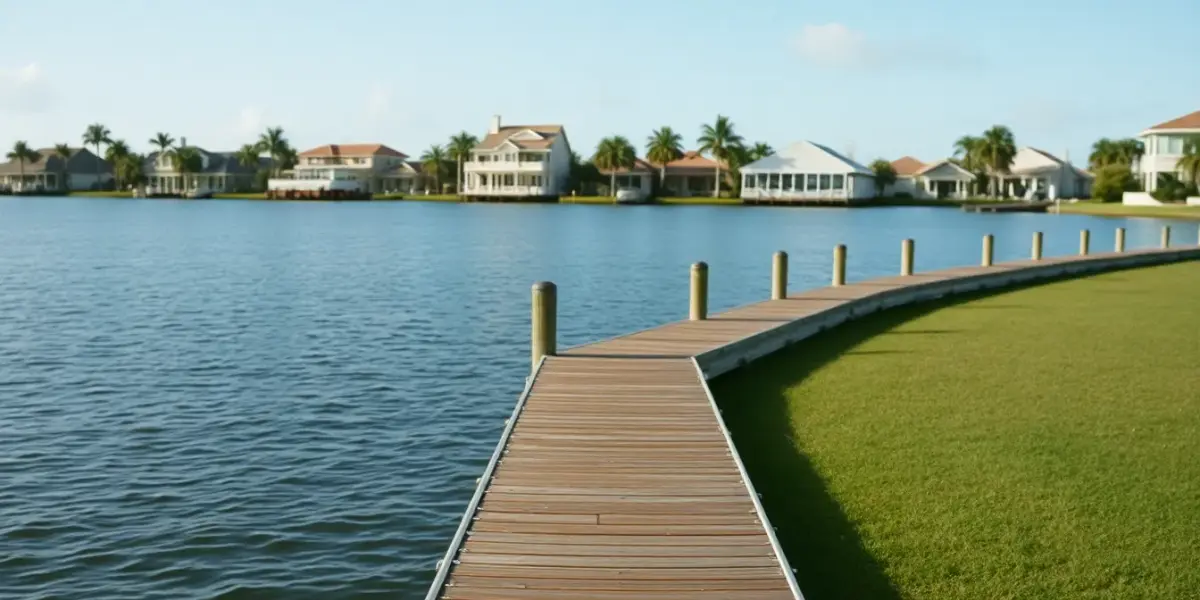
Understanding FEMA Risk Rating 2.0: What You Need to Know for Flood Insurance
Flood insurance is crucial for homeowners in Florida, especially given the state's susceptibility to hurricanes and heavy rainfall. The implementation of FEMA Risk Rating 2.0 has introduced major changes that can affect your flood insurance premiums and coverage. Let’s dive into what this new system entails and how it may impact you.
What is FEMA Risk Rating 2.0?
FEMA's Risk Rating 2.0 is a new methodology for determining flood insurance premiums under the National Flood Insurance Program (NFIP). This updated rating system was introduced to create a more equitable and accurate way of assessing flood risk and calculating insurance costs.
Key Features of Risk Rating 2.0:
- Individual Property Risk Assessment: Unlike the previous system, which used broad zones, Risk Rating 2.0 evaluates the specific characteristics of your property, including its elevation, distance to water, and flood risk.
- More Accurate Premiums: The new system aims to align premiums more closely with actual risk, potentially reducing costs for lower-risk properties while increasing them for higher-risk ones.
- Simplified Structure: Risk Rating 2.0 eliminates some of the complexities of the previous rating system, making it easier for homeowners to understand their flood insurance costs.
How Does It Affect Your Flood Insurance?
The introduction of Risk Rating 2.0 has led to a variety of changes that can significantly impact flood insurance premiums and coverage:
1. Premium Changes
- Potential Increases or Decreases: Depending on your property's flood risk, you may see your insurance premiums rise or fall. Homeowners in lower-risk areas might benefit from reduced rates, while those in high-risk zones may face higher costs.
- Immediate Adjustments: Many policyholders experienced immediate rate adjustments when Risk Rating 2.0 was implemented, reflecting the new risk assessments.
2. Coverage Options
- Expanded Coverage: The new system allows for more personalized coverage options, catering specifically to the unique flood risks associated with your property.
- Higher Limits Available: While NFIP policies traditionally have limits of $250,000 for structures, some private insurers now offer higher coverage limits, which may be more accessible under Risk Rating 2.0.
3. Understanding Your New Rate
- Review Your Policy: It’s essential to review your flood insurance policy following the implementation of Risk Rating 2.0 to understand how your premiums have changed and what coverage is available.
- Seek Professional Guidance: Due to the complexity of the changes, consult with a licensed insurance agent to navigate the new rating system and ensure you have adequate coverage.
What Should You Do Next?
Evaluate Your Flood Risk
- Get an Elevation Certificate: If you haven’t already, consider obtaining an elevation certificate. This document can help clarify your property’s flood risk and potentially lower your premiums.
- Consider Flood Zone Changes: Check if your property’s flood zone designation has changed under Risk Rating 2.0. Understanding these changes is crucial for making informed insurance decisions.
Speak with an Insurance Professional
- Consult with Walker Insurance Agency: Our team at Walker Insurance Agency specializes in flood insurance and can help you understand how Risk Rating 2.0 affects your coverage options.
- Get a Free Quote: We can provide you with a personalized quote tailored to your specific needs and circumstances.
Conclusion
FEMA Risk Rating 2.0 marks a significant change in how flood insurance is assessed and priced, creating a more tailored approach to flood risk. Understanding these changes is vital for Florida residents, as it can impact your premiums and coverage options.
For personalized assistance navigating these changes and to ensure you are adequately protected against floods, get a quote from Walker Insurance Agency today. Explore our flood insurance options to find the right coverage for your needs.
Related Articles
Do I Need RV Insurance in Florida? Key Considerations for Owners
If you're a Florida RV owner, understanding the necessity of RV insurance is crucial. This post delves into the legal requirements, benefits of coverage, and practical considerations for protecting your investment on the road.
Read More →
Is Boat Insurance Required in Florida? What Every Owner Should Know
Are you a boat owner in Florida wondering if you need insurance? While boat insurance is not legally required, it's highly recommended to protect your investment and ensure peace of mind. Learn more about the coverage options available to you.
Read More →
Understanding Car Insurance Rates in Stuart, FL: What Affects Your Premiums?
Are you curious about what affects car insurance rates in Stuart, FL? This guide breaks down key factors that can influence your premiums, helping you make informed choices when shopping for insurance. Discover actionable tips to save money while ensuring you have the right coverage.
Read More →