Understanding FEMA Risk Rating 2.0: A Fresh Perspective on Flood Insurance
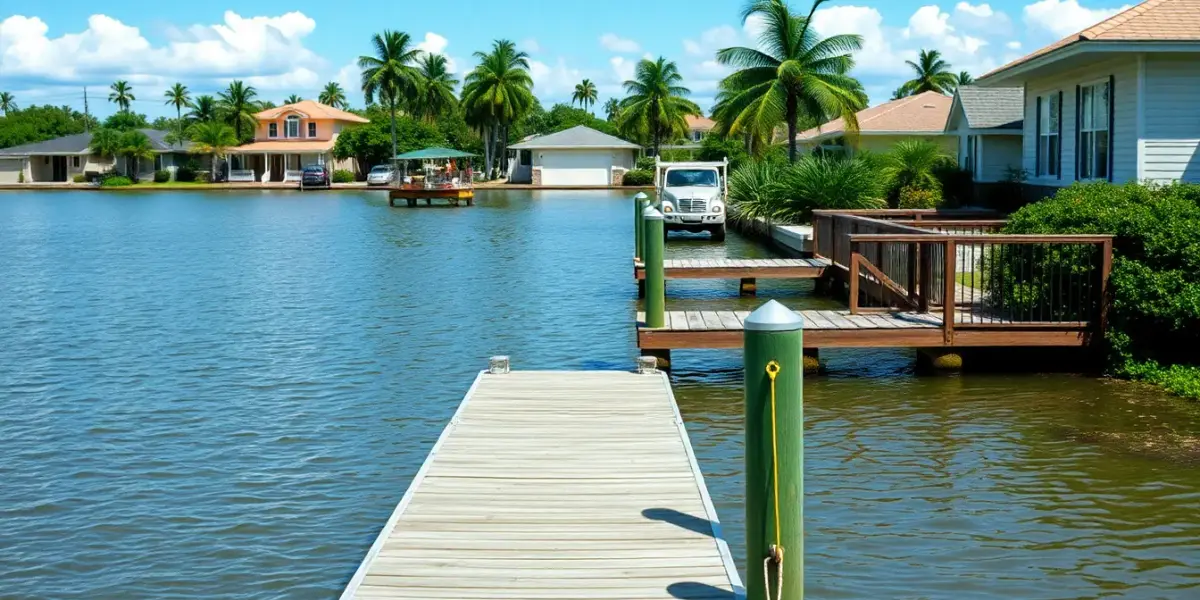
Understanding FEMA Risk Rating 2.0: A Fresh Perspective on Flood Insurance
Flood insurance is an essential safeguard for homeowners, especially in a flood-prone state like Florida. With the introduction of FEMA Risk Rating 2.0, many property owners are left wondering about the implications for their flood coverage. This blog post aims to clarify the major changes, dispel confusion, and guide you through this new landscape.
What is FEMA Risk Rating 2.0?
FEMA Risk Rating 2.0, implemented in October 2021, represents a significant shift in how flood insurance premiums are calculated under the National Flood Insurance Program (NFIP). Unlike the previous rating system, which was largely based on the flood zone designation, Risk Rating 2.0 uses a more refined approach. Here are some key features of the new rating methodology:
- Individual Property Risk Assessment: Risk Rating 2.0 evaluates a property’s unique flood risk based on a combination of factors, including distance to water, flood frequency, and the expected severity of flooding.
- Advanced Technology: This system utilizes improved technology and data analytics to create a more accurate picture of flood risk, helping to ensure that premiums correspond more closely to the actual risk.
- Transition to Equity: The goal is to make flood insurance more equitable by ensuring that those in higher-risk areas pay premiums that reflect their true risk level.
How Does Risk Rating 2.0 Affect My Flood Insurance?
The implementation of Risk Rating 2.0 can lead to significant changes in flood insurance premiums for many policyholders. Here’s how:
1. Premium Adjustments
- Increased Premiums: Homeowners in higher-risk areas may see an increase in their premiums, as the new system aligns costs more closely with actual risk.
- Decreased Premiums: Conversely, some homeowners in lower-risk areas may benefit from reduced premiums.
2. Coverage Options
- Certain properties may become eligible for coverage that wasn’t available under the previous rating system.
- The new rating also aims to simplify coverage options, making it easier to understand your financial exposure during a flood.
3. Understanding Your Risk
- With the new data-driven approach, homeowners can better understand their individual risks. This knowledge can be leveraged to make informed decisions about flood preparedness and mitigation measures.
4. Transition Period
- While Risk Rating 2.0 is fully implemented, FEMA has provided a phase-in period for existing policyholders, allowing for gradual premium adjustments rather than immediate increases.
Navigating the Changes: Practical Tips for Florida Residents
Now that you understand the basics of FEMA Risk Rating 2.0 and its potential impact, consider these practical steps:
- Review Your Policy: Take the time to read through your current flood insurance policy and understand what coverage you have.
- Consult with an Insurance Agent: Speak to a licensed insurance agent, like those at Walker Insurance Agency, to assess your flood risk and explore options tailored to your needs.
- Mitigate Risks: Invest in flood mitigation measures for your property. Elevating your home, installing flood vents, and maintaining proper drainage can lower your risk profile.
- Stay Informed: Keep up to date with FEMA updates and local flood zone maps, as these can impact your insurance needs.
Conclusion
FEMA Risk Rating 2.0 represents a major change in the flood insurance landscape, and understanding its implications is crucial for Florida homeowners. By staying informed and proactive, you can navigate these changes effectively. Don’t hesitate to reach out for personalized assistance!
If you have questions or need help understanding how these changes affect your flood insurance, Get a Quote or learn more about our Flood Insurance options today!
Related Articles

Do I Need RV Insurance in Florida? Key Considerations for Owners
If you're a Florida RV owner, understanding the necessity of RV insurance is crucial. This post delves into the legal requirements, benefits of coverage, and practical considerations for protecting your investment on the road.
Read More →
Is Boat Insurance Required in Florida? What Every Owner Should Know
Are you a boat owner in Florida wondering if you need insurance? While boat insurance is not legally required, it's highly recommended to protect your investment and ensure peace of mind. Learn more about the coverage options available to you.
Read More →
Understanding Car Insurance Rates in Stuart, FL: What Affects Your Premiums?
Are you curious about what affects car insurance rates in Stuart, FL? This guide breaks down key factors that can influence your premiums, helping you make informed choices when shopping for insurance. Discover actionable tips to save money while ensuring you have the right coverage.
Read More →