Navigating Insurance Claims After a Natural Disaster: A Step-by-Step Guide for Florida Residents
Navigating Insurance Claims After a Natural Disaster: A Step-by-Step Guide for Florida Residents
Natural disasters can strike unexpectedly, leaving destruction in their wake and presenting challenges for affected homeowners and businesses. In Florida, where hurricanes, floods, and other calamities are common, understanding how to navigate the insurance claims process is crucial. This step-by-step guide will help you effectively manage your claims after a natural disaster, ensuring you receive the coverage and support you need.
Step 1: Assess the Damage
Before contacting your insurance company, take the time to assess the damage to your property. This initial evaluation will help you gather important information for your claim.
Key Actions:
- Document Everything: Take photos or videos of the damage, including both interior and exterior views. This visual evidence can be invaluable during the claims process.
- Create a List: Make a detailed list of damaged or lost items, including their estimated values and purchase dates.
Step 2: Review Your Insurance Policy
Understanding your coverage is essential before filing a claim. Familiarize yourself with the specifics of your policy, including what is covered and any exclusions.
Important Areas to Check:
- Type of Coverage: Determine if you have standard homeowners insurance, flood insurance, or specific endorsements such as hurricane coverage.
- Deductibles: Note the deductible amounts for different types of damage, as this will affect your out-of-pocket expenses.
Step 3: Contact Your Insurance Agent
Once you've assessed the damage and reviewed your policy, reach out to your insurance agent or company.
Tips for Effective Communication:
- Be Prepared: Have your policy number and documentation ready when you call.
- Ask Questions: Clarify any uncertainties regarding your coverage or the claims process. Your agent can provide guidance tailored to your situation.
Step 4: File Your Claim
After your initial contact, you’ll need to formally file your claim. This can often be done online, over the phone, or through your agent.
Steps to Follow:
- Submit Documentation: Provide all necessary documentation, including photos, lists of damages, and any other required forms.
- Keep Records: Maintain copies of all correspondence and documents submitted to your insurer.
Step 5: Meet with the Adjuster
Insurance companies will send an adjuster to assess the damage in person. This step is crucial, as it influences the outcome of your claim.
What to Expect:
- Be Present: If possible, be there when the adjuster visits. This allows you to point out specific damages and answer any questions.
- Provide Information: Share your documentation and any additional information that may support your claim.
Step 6: Review the Settlement Offer
After the adjuster completes their assessment, your insurance company will provide a settlement offer.
Considerations:
- Review Carefully: Ensure the offer adequately covers your damages and aligns with your policy.
- Negotiate if Necessary: Don’t hesitate to negotiate if you believe the offer is insufficient. Provide evidence to support your claim if needed.
Step 7: Follow Up and Close the Claim
Once you accept a settlement, follow up to ensure that payment is processed in a timely manner.
Final Steps:
- Document Everything: Keep records of any communications and the final settlement details.
- Close the Claim: Confirm that your claim is officially closed with your insurance company.
Additional Tips for Florida Residents
- Stay Informed: Keep abreast of any changes in Florida insurance regulations that may affect your coverage.
- Consider Flood Insurance: Remember that standard homeowners insurance typically does not cover flood damage. If you live in a flood-prone area, consider purchasing flood insurance through the NFIP or private insurers.
- Prepare for Future Disasters: After navigating a claim, take steps to better prepare for future natural disasters, such as enhancing your home’s storm resistance or reviewing your coverage.
Conclusion
Navigating insurance claims after a natural disaster can feel overwhelming, but understanding the process and being well-prepared can make a significant difference. If you need assistance or have questions about your coverage, don’t hesitate to reach out to Walker Insurance Agency. We’re here to help you protect your assets and guide you through the claims process.
Get your free quote today and ensure you’re prepared for whatever nature may bring!
Related Articles
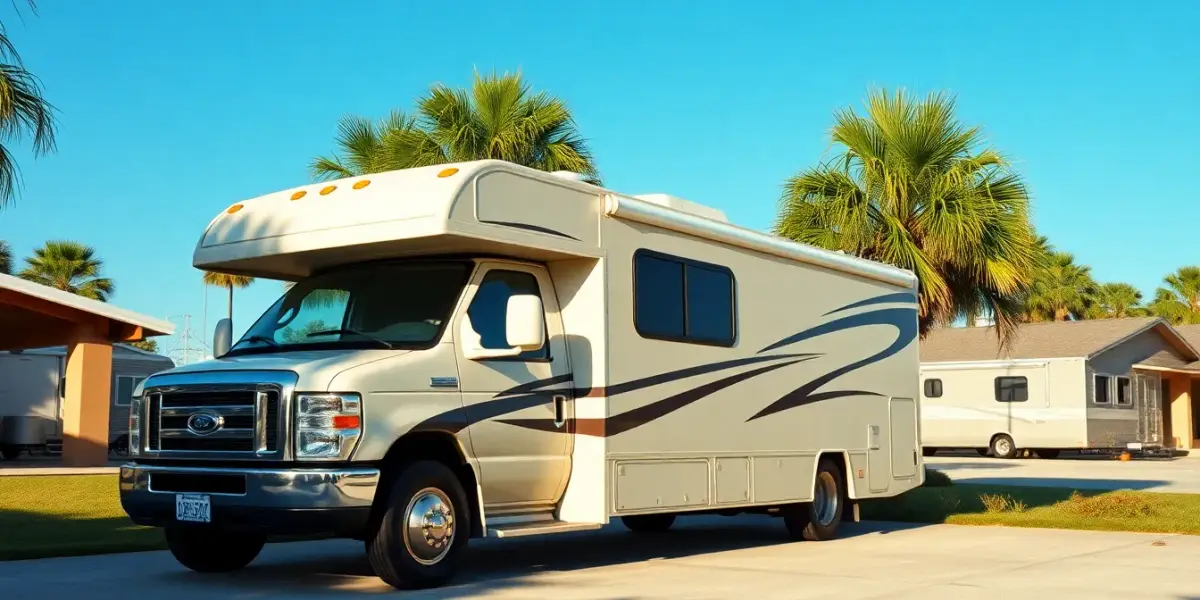
Do I Need RV Insurance in Florida? Key Considerations for Owners
If you're a Florida RV owner, understanding the necessity of RV insurance is crucial. This post delves into the legal requirements, benefits of coverage, and practical considerations for protecting your investment on the road.
Read More →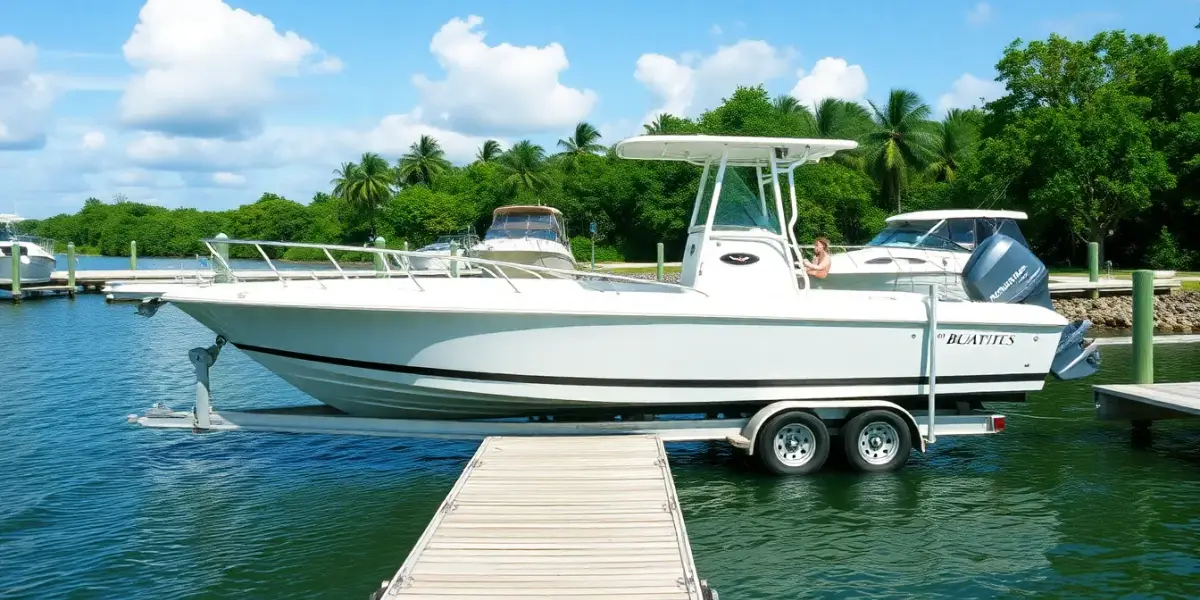
Is Boat Insurance Required in Florida? What Every Owner Should Know
Are you a boat owner in Florida wondering if you need insurance? While boat insurance is not legally required, it's highly recommended to protect your investment and ensure peace of mind. Learn more about the coverage options available to you.
Read More →
Understanding Car Insurance Rates in Stuart, FL: What Affects Your Premiums?
Are you curious about what affects car insurance rates in Stuart, FL? This guide breaks down key factors that can influence your premiums, helping you make informed choices when shopping for insurance. Discover actionable tips to save money while ensuring you have the right coverage.
Read More →