Is RV Insurance Necessary in Florida? Here’s What You Should Know
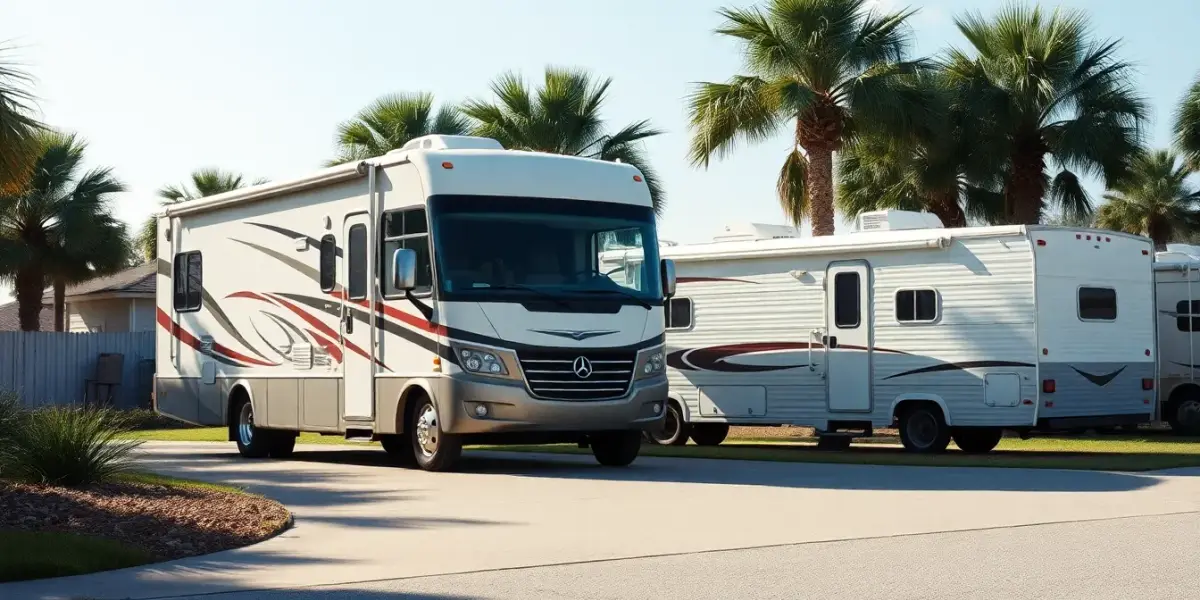
Is RV Insurance Necessary in Florida? Here’s What You Should Know
Introduction
As a Florida resident, the allure of hitting the open road in a recreational vehicle (RV) is enticing. Whether you’re planning weekend getaways or extended trips, having the right insurance is essential. In this post, we’ll explore why RV insurance is necessary in Florida and what it covers to help you make informed decisions.
Why RV Insurance is Important in Florida
Legal Requirements
While Florida law does not mandate RV insurance, it is highly recommended. Here’s why:
- Protection Against Liability: If you’re involved in an accident while driving your RV, liability coverage protects you from financial responsibility for injuries or damages to others.
- Financing Requirements: If you finance your RV, your lender will likely require you to carry comprehensive and collision insurance.
Coverage for Your Asset
Your RV is not just a vehicle; it’s an investment and a home away from home. RV insurance ensures:
- Physical Damage Coverage: This includes collision and comprehensive coverage which protects against damages from accidents, theft, or natural disasters.
- Contents Protection: RV insurance can cover personal belongings inside your RV, such as electronics and camping gear.
Peace of Mind
Traveling in an RV can come with unexpected challenges. Having insurance gives you peace of mind, knowing that you’re protected from unforeseen events:
- Roadside assistance for breakdowns
- Emergency medical payments for injuries
- Coverage for temporary living expenses if your RV is damaged
Types of Coverage to Consider
When shopping for RV insurance in Florida, consider the following types of coverage:
- Liability Coverage: Protects you from claims made by others for bodily injury or property damage.
- Collision Coverage: Covers damages to your RV from a collision with another vehicle or object.
- Comprehensive Coverage: Protects against non-collision incidents, such as theft, vandalism, or natural disasters.
- Uninsured/Underinsured Motorist Coverage: Protects you if you’re in an accident with a driver who lacks adequate insurance.
- Personal Injury Protection (PIP): While not mandatory for RVs, having this can cover medical expenses for you and your passengers regardless of who is at fault.
Additional Considerations for Florida RV Owners
Weather-Related Risks
Florida is known for its hurricanes and heavy rain. Ensure your RV insurance includes:
- Comprehensive coverage for flood damage, particularly if you travel or park in flood-prone areas.
- A clear understanding of any hurricane deductibles.
Customizing Your Policy
Tailor your RV insurance to fit your lifestyle:
- If you live full-time in your RV, consider policies that cater specifically to full-time RV living.
- Look for bundling options with your auto or home insurance for discounts.
Conclusion
In summary, while RV insurance may not be legally required in Florida, it is a vital component of responsible RV ownership. Protecting your investment and ensuring peace of mind on the road is worth the investment. Speak with a licensed agent at Walker Insurance Agency to explore your options and get a free quote today!
For personalized assistance, Get a Quote or learn more about our RV Insurance offerings.
Related Articles
Do I Need RV Insurance in Florida? Key Considerations for Owners
If you're a Florida RV owner, understanding the necessity of RV insurance is crucial. This post delves into the legal requirements, benefits of coverage, and practical considerations for protecting your investment on the road.
Read More →
Is Boat Insurance Required in Florida? What Every Owner Should Know
Are you a boat owner in Florida wondering if you need insurance? While boat insurance is not legally required, it's highly recommended to protect your investment and ensure peace of mind. Learn more about the coverage options available to you.
Read More →
Understanding Car Insurance Rates in Stuart, FL: What Affects Your Premiums?
Are you curious about what affects car insurance rates in Stuart, FL? This guide breaks down key factors that can influence your premiums, helping you make informed choices when shopping for insurance. Discover actionable tips to save money while ensuring you have the right coverage.
Read More →