Do I Need RV Insurance in Florida? A Comprehensive Guide
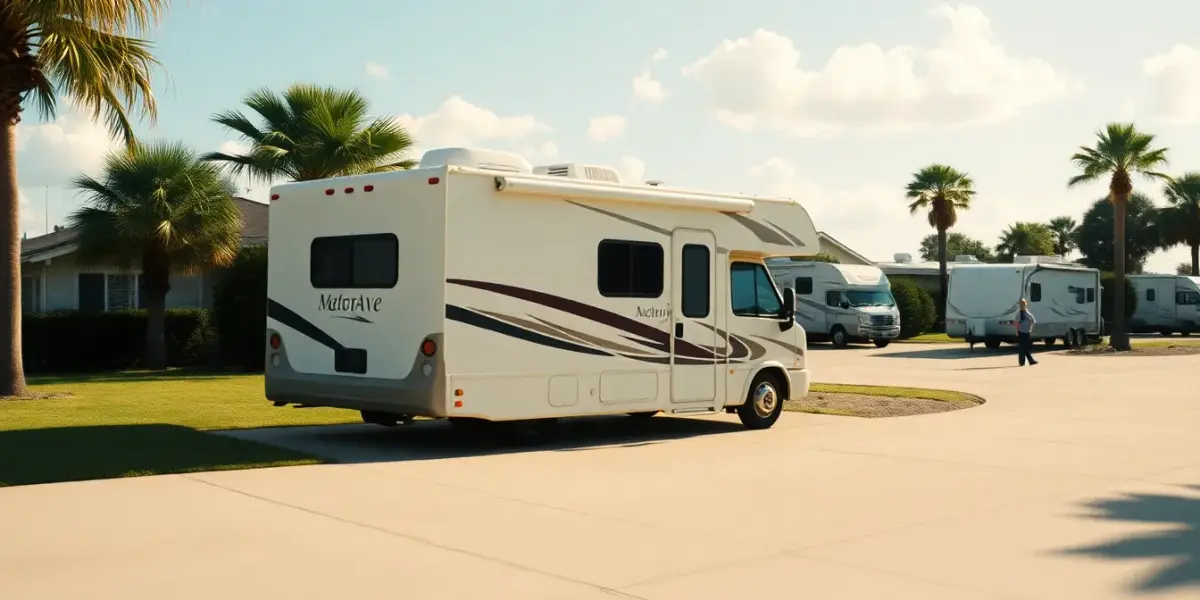
Do I Need RV Insurance in Florida? A Comprehensive Guide
When it comes to enjoying the freedom of the open road in your RV, one of the first questions you might ask is, "Do I need RV insurance in Florida?" As a state that welcomes countless RV enthusiasts, understanding the importance and requirements of RV insurance is essential for safeguarding both your vehicle and your peace of mind.
Understanding RV Insurance Requirements in Florida
While Florida law does not mandate RV insurance in the same way it does for automobiles, there are several compelling reasons why you should consider purchasing it:
- Protection Against Liability: If you cause an accident, RV insurance can cover damages or injuries to others, protecting your finances from potential legal claims.
- Coverage for Physical Damage: RV insurance provides coverage for damages to your vehicle from accidents, theft, or vandalism.
- Medical Payments: If you or your passengers are injured in an accident, RV insurance may help cover medical expenses.
Types of RV Insurance Coverage
When shopping for RV insurance, it’s essential to understand the different types of coverage available:
- Liability Coverage: Protects you if you cause an accident resulting in injury or property damage to others. This is usually required by lenders if you financed your RV.
- Collision Coverage: Covers damages to your RV resulting from a collision, regardless of fault.
- Comprehensive Coverage: Protects against non-collision-related incidents, such as theft, vandalism, or damage from natural disasters.
- Personal Injury Protection: Helps cover medical expenses for you and your passengers after an accident.
- Emergency Roadside Assistance: Offers peace of mind by providing help in case of a breakdown.
Why RV Insurance Is a Smart Investment
While you might think, "I rarely use my RV, so why bother with insurance?", there are several practical reasons to consider:
- High Repair Costs: RVs are significant investments, and repairs can be costly. Insurance can help mitigate these expenses.
- Increased Risk: RVs are larger and often more challenging to maneuver than standard vehicles, increasing the likelihood of accidents.
- Protect Your Lifestyle: RVing is about freedom and adventure. Insurance ensures that you can enjoy your travels without the constant worry of unforeseen events.
Tips for Choosing the Right RV Insurance
When selecting RV insurance, consider these helpful tips:
- Compare Quotes: Always shop around and compare quotes from different providers to find the best coverage at the best price.
- Understand Your Needs: Assess how you plan to use your RV (full-time living, weekend trips, etc.) to determine the right coverage for your situation.
- Look for Discounts: Ask about available discounts, such as multi-policy discounts or safe driver discounts.
- Read the Fine Print: Carefully review the policy details to understand coverage limits, deductibles, and exclusions.
Conclusion
In conclusion, while RV insurance is not legally required in Florida, it is highly recommended to protect your investment and ensure peace of mind while on the road. Not only does it provide financial protection, but it also enhances your RVing experience by allowing you to travel freely and confidently.
If you’re ready to explore your options for RV insurance in Florida, contact Walker Insurance Agency today for a free quote. Let us help you find the right coverage tailored to your needs so you can hit the road worry-free!
Tags
- rv-insurance
- florida-insurance
- stuart-florida
- insurance-coverage
- auto-insurance
Related Articles
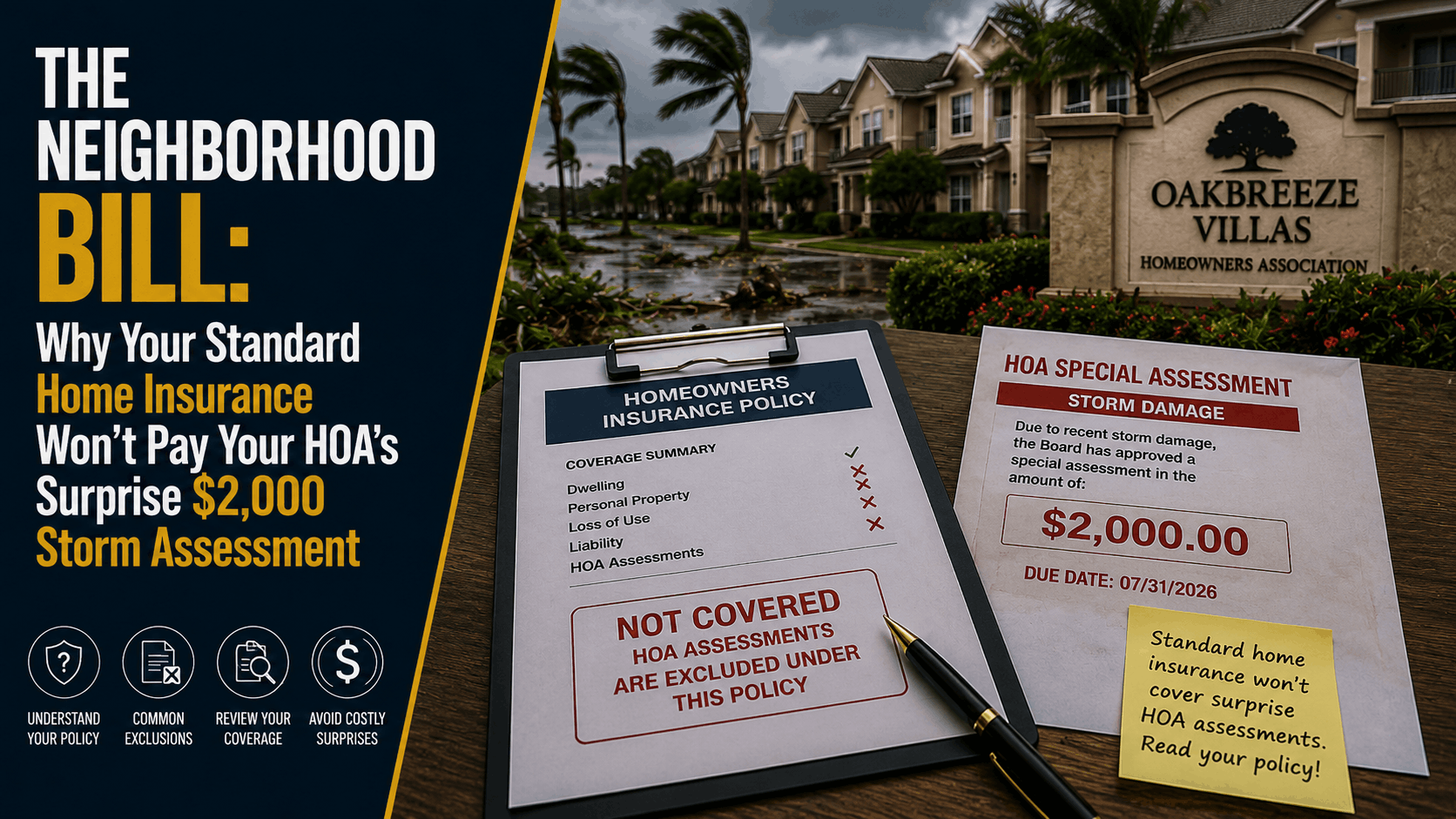
Why Home Insurance Won't Pay Your HOA Storm Assessment (2026)
Received a surprise HOA special assessment after a storm? Discover the critical loss assessment loopholes leaving Stuart homeowners completely exposed in 2026.
Read More →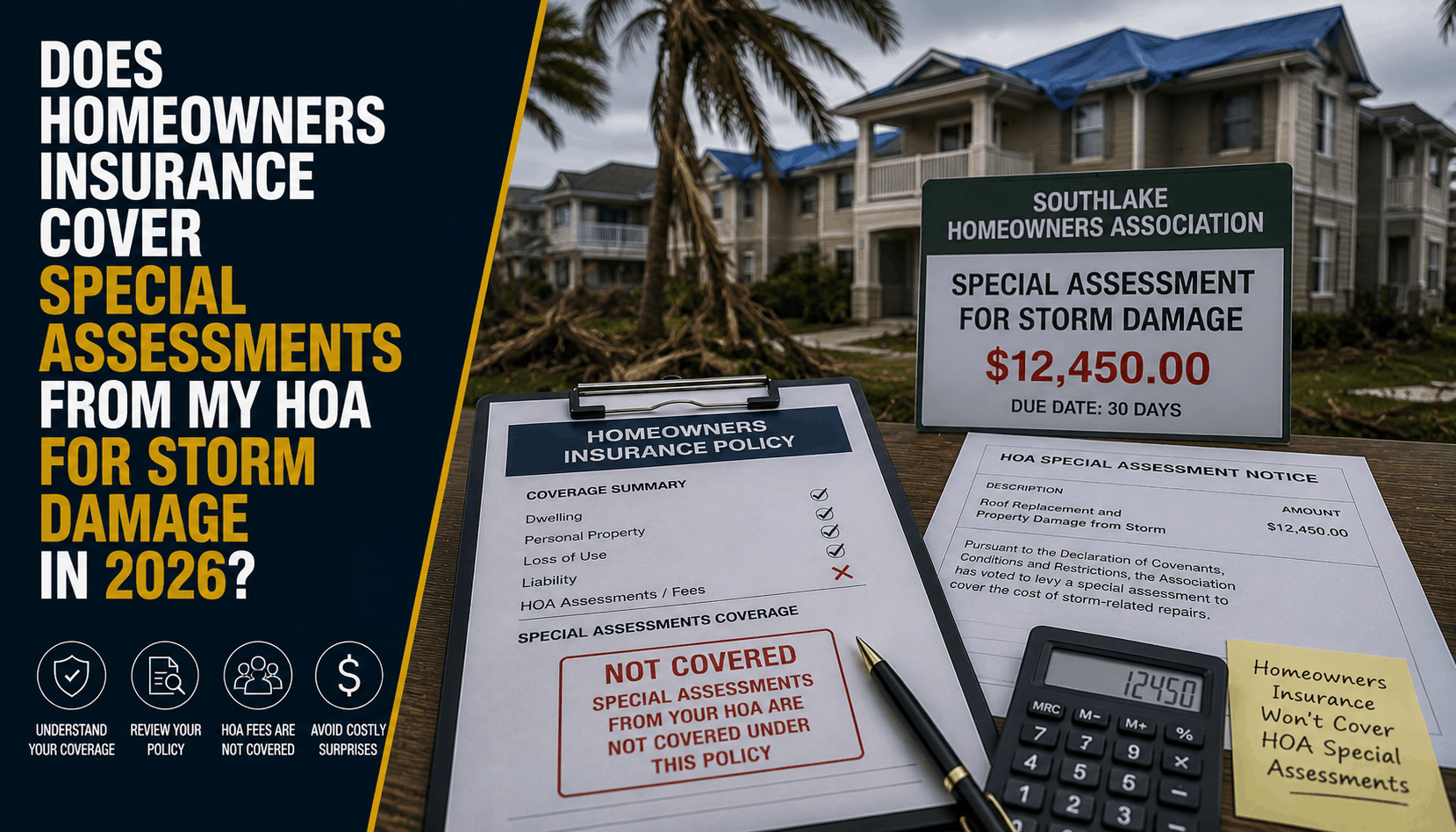
Does Florida Home Insurance Cover HOA Storm Special Assessments? (2026)
Think your Stuart home or condo insurance automatically covers an HOA special assessment after a hurricane? Discover the loss assessment limits leaving local owners exposed.
Read More →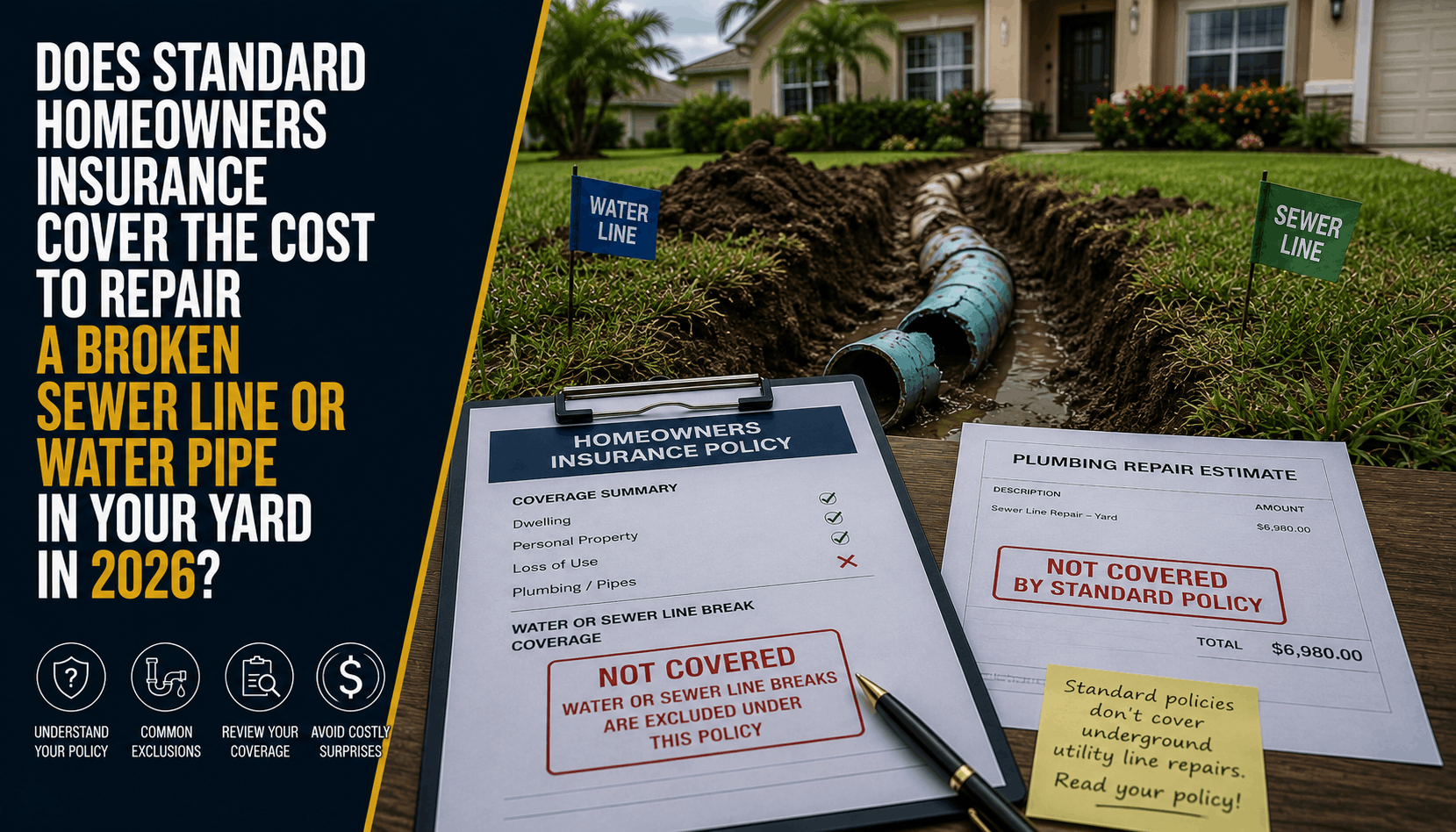
Does Home Insurance Cover Broken Pipes in the Yard? (2026)
Discover why standard homeowners insurance completely denies the cost to repair a broken sewer line or water main in your yard, and how Stuart homeowners can fix this gap.
Read More →